Home › Services
Wood privacy fences for Ann Arbor yards, in cedar or treated pine
Wood is still the material most people picture when they think of a backyard privacy fence, and for good reason. It is easy to shape to a lot, easy to repair one board at a time, and it can be built in more styles than any panel system offers. It also weathers, moves with moisture and eventually rots if it is built or maintained carelessly. This page covers wood privacy fencing in Ann Arbor and across Washtenaw County: how treated pine and cedar differ, which lumber belongs in the ground, the common styles, how posts and fasteners should be chosen, why wood fails here and how a stain schedule slows it down.
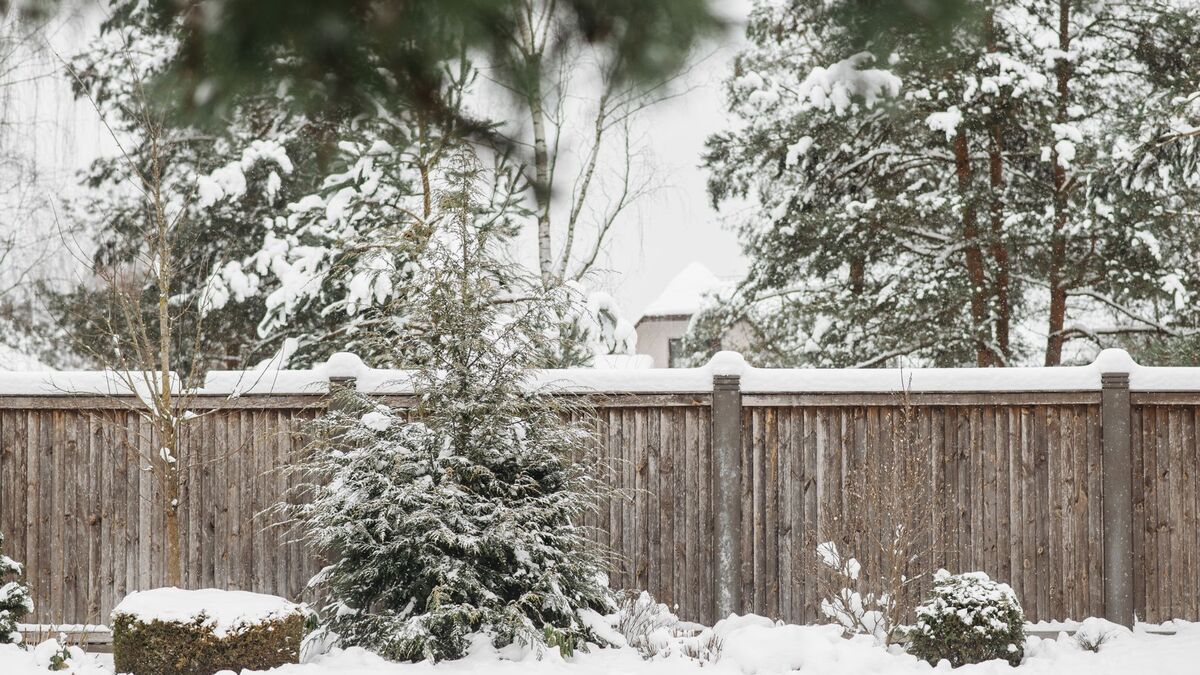
Why wood remains the default privacy fence material around Ann Arbor
A wood fence suits the older parts of town, where houses have trim, porches and painted siding, and it suits a township backyard just as well. Boards can be cut to follow an odd lot line, notched around a tree root, or stepped down a hill without waiting on a special-order panel.
Wood also forgives mistakes. A cracked board comes off with a pry bar and a new one goes on the same afternoon, and a section crushed by a falling limb, common on lots full of mature oaks and maples, can be rebuilt without hunting for a discontinued product. The tradeoff is upkeep: unfinished wood in this climate turns silver and checks faster than many owners expect.
Treated pine versus cedar: the two woods most fences are built from
Nearly every residential wood fence in the region uses one of two species groups, and they behave, finish and age differently.
- Pressure-treated southern yellow pine is dense, strong and stiff, with preservative forced in under pressure. It is the usual pick for posts and often rails, even on cedar-faced fences. It arrives wet, can twist or check as it dries, and carries a green or brown cast until stained or weathered.
- Western red cedar is lighter, more stable as it dries, and naturally resistant to decay and insects thanks to oils in the heartwood. It lies flat, takes stain beautifully and weathers to soft silver. It dents more easily, and its sapwood has far less resistance than its heartwood.
- A common hybrid puts treated posts in the ground with cedar rails and boards above: the toughest wood where rot pressure is highest, the best-looking wood where you see it.
- Spruce and untreated pine show up on budget store panels. They are not built for long exposure here and are usually the first fences to sag.
Ground-contact lumber is not the same as above-ground lumber
Treated lumber is sold at different retention levels, meaning how much preservative stays in the wood. Above-ground stock is fine for rails and boards that dry between rains. Only lumber labeled for ground contact belongs in a post hole, in concrete, or anywhere it touches soil or stays damp. The label is on a tag stapled to the end of each piece; read it before posts go in. Above-ground stock used as posts often shows up as a post snapping at grade after several winters while the rest of the fence looks fine.
Treatment rarely penetrates all the way through a thick post, so a trimmed end exposes less-protected wood. Brushing cut-end preservative onto those surfaces, especially the bottom of a post, is a small step that pays back for years.
Wood privacy fence styles and what each one does well
Style changes how much privacy you get, how each side looks, how much lumber it takes and how it handles wind.
- Stockade: tight-fitted vertical boards side by side, usually finished with dog-ear or pointed ends. Simple and economical, but small gaps open as boards shrink, and one side shows the frame.
- Board-on-board: one layer of spaced boards with a second layer covering the spaces from the other side. Shrinkage never opens a see-through gap, both faces look good, and it uses noticeably more lumber.
- Shadowbox: pickets switch sides of the rail with each board, leaving an opening between boards on the same face. It reads as solid head-on, lets some air through, and gives both neighbors a finished face.
- Horizontal: planks span from post to post in level courses for a contemporary feel. Long boards can sag or cup without a center support, so post spacing and board thickness matter more.
- Cap and trim: a top cap board and trim added to almost any style. The cap sheds water off end grain and the trim stiffens the top line.
Post sizing, spacing and rails for a solid wood fence
Solid wood fences put a lot of leverage on their posts. Many installers use nominal four-by-four line posts on modest fences and step up to six-by-six at corners, ends, gates and on taller or exposed runs. On an open lot in western Washtenaw County that takes every storm from the west, heavier posts throughout can make sense.
Bays are kept modest, and solid styles often justify tighter spacing than open ones because every bay acts like a wall in the wind. Horizontal boards and heavy board-on-board sections are most likely to need closer posts or a center support.
Taller privacy fences commonly use three rails rather than two, which keeps boards from bowing and stiffens the frame. Rails fastened to the post face or in metal brackets drain better than rails sitting in notches that hold water. Setting posts and hole depth are covered on the privacy fence installation page.
Fasteners, corrosion and why cheap nails ruin good lumber
Today's pressure-treated pine relies on preservatives rich in copper, which attacks ordinary steel. Bright or electroplated nails in treated wood can corrode quickly, leaving rust stains, loose boards and fasteners that snap when removed. Hot-dip galvanized or stainless steel is the usual choice.
Cedar has its own chemistry: tannins react with uncoated steel and leave black streaks down the boards. Stainless fasteners avoid that entirely. Ring-shank nails hold well and go in fast; exterior screws hold better and make board replacement easier. Two fasteners per board per rail, set back from the edges, is common practice, and hinges and latches should match the fasteners' corrosion resistance.
How wood privacy fences fail in a Michigan climate
Wood breaks down from water, sun, freeze-thaw cycles and fungi, and southeast Michigan supplies all four. Knowing where a fence gives out first helps you catch trouble early.
- Rot at the ground line, where a post meets soil or concrete and stays wet, often hidden behind turf or mulch until the post moves.
- Bottom-of-board rot where boards touch grass, mulch, snow piles or downspout splash.
- Checking, cupping and twisting as boards dry and rewet; wide boards and wet treated pine move the most.
- Weathering, as sun breaks down surface fibers and turns wood gray and fuzzy, letting water soak deeper.
- Mildew and moss on the shaded north face or under tree canopy.
- Rail sag from undersized rails, wide bays or corroded fasteners, and gate sag, which usually shows first.
Ways to slow down rot, warping and weathering
Most of what keeps a wood fence alive is keeping water from sitting against it. Boards should end a little above the soil, mulch and soil should not be heaped against posts, and downspouts and sprinkler heads should point away from the line. Trim shrubs and vines back so air moves along both faces.
Post caps keep water out of end grain, which soaks up moisture far faster than a board face, and a cap board does the same for board ends. Deal with damage early: a cracked board or a post just starting to lean is a small job right away and a bigger one after a winter of snow load. Resetting and sistering posts is covered on the privacy fence repair page.
Staining and sealing: timing, products and how often to redo it
A finish slows water uptake and blocks some of the sun that breaks down the surface. It will not save a post sitting in wet clay or fix poor construction, but it extends the life and looks of the boards.
- Let new wood dry. Freshly treated pine is wet from the plant and needs time before it absorbs stain; water that soaks in rather than beads is a common readiness test. Cedar is usually ready sooner.
- Clean the surface. Mildew, dirt and the gray weathered layer should come off with a wood cleaner or brightener and a gentle rinse, not an aggressive pressure wash that raises fuzz on soft cedar.
- Choose the finish. Clear and toner sealers show the most grain and wear fastest. Semi-transparent stains add pigment for better sun protection. Solid stains hide the grain and last longest, but can peel when they fail.
- Apply to dry wood in mild weather, covering both faces, the edges and the bottom end grain.
- Recoat as needed. Penetrating stains are commonly refreshed every few years, with sunny south and west faces wearing first.
Cost factors on a wood fence job
The contractor prices a wood fence after a site visit. Species and grade are big levers: all-cedar costs more than treated pine, and clear boards more than knotty ones. Board-on-board and shadowbox take more material and labor than stockade, and cap and trim add both. Height, length, corners, gates, post size, footing method and hardware grade all move the total, as do slopes, roots and rocks in the holes, removal of an old fence, a narrow side-yard access path, and whether you want stain applied now or later. A good proposal itemizes those choices instead of offering one lump figure.
Comparing wood with the other options, and getting a wood fence priced
If the upkeep cycle of wood does not appeal, solid panels that skip staining are covered on the vinyl privacy fences page, and the heavier wood-plastic alternative is on the composite fences page.
Wood suits tight in-town yards as well as rolling ground with deer pressure out toward Chelsea and Dexter. Once a style is in mind, the contact page is where to share the location, the look you lean toward and some yard pictures, so a local fence contractor can visit and prepare written figures.
Wood privacy fences for Ann Arbor yards — common questions
Cedar vs treated pine: which lasts longer in Michigan?
Each wins in a different place. Ground-contact treated pine is usually the better choice for posts, because it is strong and its preservative protects the part of the fence sitting in wet soil. Cedar tends to be better for boards and rails, since it stays flatter, takes stain well and resists decay above ground. That is why many fences combine the two. All-treated fences cost less up front; all-cedar fences usually look better longer.
When can I put stain on a brand new treated pine fence?
Treated pine is soaked during treatment, so stain applied too early sits on the surface and peels. Many fences need weeks to a few months of drying, depending on weather, sun and how wet the lumber arrived. Sprinkle water on a board: if it soaks in within a few minutes, the wood is generally ready; if it beads, wait. Lumber kiln-dried after treatment can often be finished much sooner.
Board on board or shadowbox: which gives more privacy?
Both spare the neighbors a view of bare rails, but they handle privacy differently. Board-on-board overlaps two layers so there is no straight-line view through, even after shrinkage. Shadowbox alternates boards on opposite sides of the rails with a space between, so it looks solid head-on but allows glimpses at an angle and more airflow. Board-on-board gives more privacy; shadowbox passes more breeze and uses a little less lumber.
Why are there black streaks running down my new cedar fence?
Black streaks around nail or screw heads on cedar usually come from tannins in the wood reacting with iron in the fasteners, and rain spreads the stain down the boards. Cleaners containing oxalic acid often lighten the marks, but they return if the fasteners keep reacting. The lasting fix on new work is stainless steel or a coated fastener made for cedar; on an existing fence, replacing the worst fasteners helps.
How often does a wood privacy fence need to be resealed?
There is no fixed calendar, because sun, shade, product and construction all change it. Penetrating semi-transparent stains are commonly redone every few years, clear sealers wear faster, and solid stains last longer but may need scraping when they fail. South and west faces typically fade first. Watch the wood rather than the calendar: when water stops beading and the color looks washed out, clean and recoat.
Can a wood fence be built to handle strong wind on an open lot?
Yes, with planning. Heavier posts, tighter spacing, an extra rail on taller fences, solid corner and end posts and corrosion-resistant fasteners all help a solid wood fence stand up to gusts. Styles with some airflow, such as shadowbox, reduce the load compared with tight stockade, and exposed rural lots may call for larger footings. Tell whoever prices the job how wind hits your yard so the frame is sized for it.
Why does my wood fence turn gray and fuzzy after a couple of years?
Ultraviolet light attacks lignin, the compound binding the outer wood fibers together, and then rain rinses those loosened fibers off, leaving a silver-gray, slightly fuzzy face. On cedar it is mostly cosmetic and some owners like it. But weathered wood soaks up water faster, which speeds checking and mildew. A cleaner or brightener followed by a pigmented stain restores color and slows the process for the next few seasons.
Talk through your site
Start with the address, what you want done, and a few photographs of the area, including anywhere water sits after a heavy rain.
Related work
Privacy Fence Installation
Planning and building a full privacy fence: line, height rules, posts set below Michigan frost and gates.
Vinyl Privacy Fences
Solid vinyl privacy panels, what separates good vinyl from cheap, and how it handles hard winters.
Composite Fences
Wood-plastic composite and capped composite privacy fencing, its weight, its posts and its tradeoffs.
Privacy Fence Repair
Heaved posts, wind-pushed sections, rotted rails and sagging gates on solid fences, repaired or replaced.
Across the metro
Ypsilanti
Older east-side neighborhoods with small lots, alleys and mature trees beside newer township subdivisions.
Saline
South-side town with family subdivisions, association rules and open farmland edges.
Dexter
Village and township lots near the Huron River with hills, wooded edges and wet low spots.
Chelsea
Western Washtenaw lots with acreage, long property lines, rolling ground and deer pressure.