Home › Services
Composite privacy fences for Ann Arbor yards: solid, quiet and stain-free
Composite fencing sits between wood and vinyl. It has the warm color and grain of boards, the dense, substantial feel of a heavy wall, and it never needs a brush of stain. It is also the heaviest of the common privacy materials, it moves with heat in its own particular way, and it carries a higher material bill than most wood. Whether it makes sense for your yard depends on how long you plan to stay, how much sun and shade the line gets, how the ground slopes and how you feel about upkeep. This page explains what composite boards are, how the post systems behind them work, what changes over the first few seasons and when another material is the smarter call.
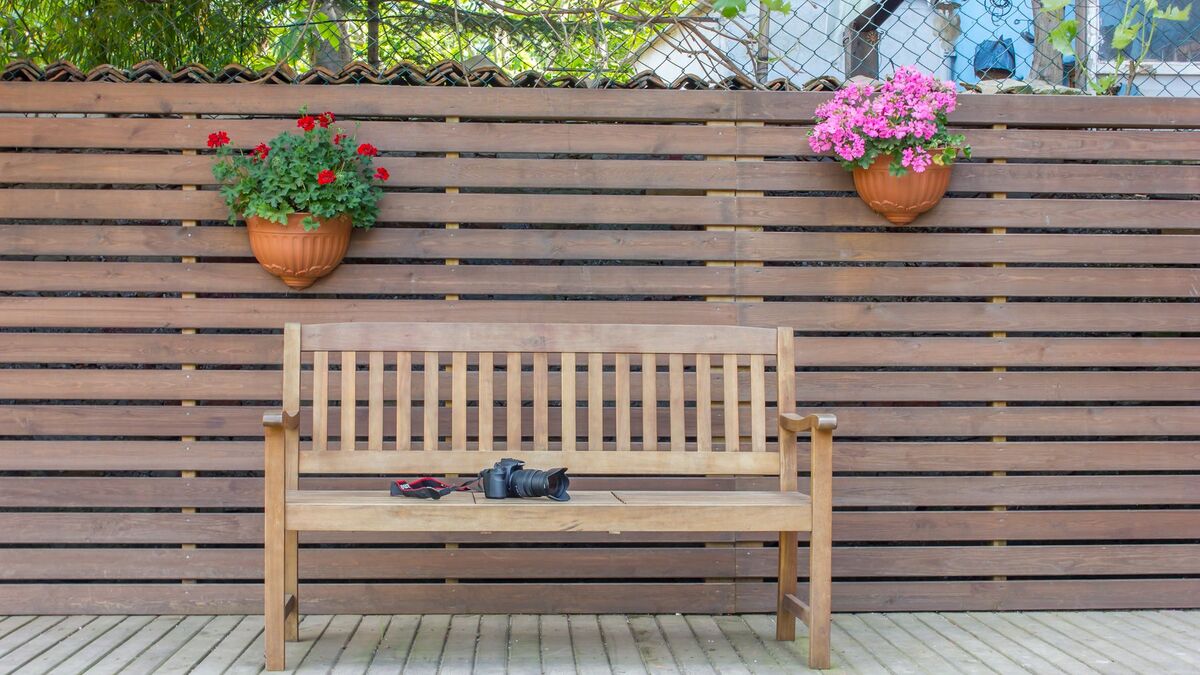
What goes into a composite fence board
A wood-plastic composite board is a blend of fine wood fiber or wood flour and a plastic binder, most often recycled polyethylene, sometimes polypropylene or PVC. The heated, colored mix is extruded into boards. The wood fiber gives stiffness and a natural look; the plastic wraps those fibers and keeps out most of the water that would rot a plain wood board.
Boards come in two broad shapes. Solid boards are dense all the way through and feel like a slab in your hands. Hollow or cored boards have internal chambers that cut weight and material, which lowers the price, but they are less resistant to impact and depend more on the frame around them. Early products earned a mixed reputation for mold and blotchy fading; the protective shell described next changed that.
Capped versus uncapped composite, and why the outer shell matters
Capped composite has a thin, tough polymer skin fused over the composite core, usually on three or four sides. That shell is what resists staining, scratching, fading and surface mold, and it is where most of the improvement in modern products comes from. Uncapped composite leaves the wood-and-plastic blend exposed, so the fibers at the surface can soak up a little moisture, feed mildew and lighten noticeably in the sun.
Even with a capped board, the cut ends show the core. Systems that slide boards into top and bottom channels hide those ends, which is one reason channel-style designs have become common for fences. When you compare samples, look at the cut end, run a fingernail across the face and ask whether the cap covers all four sides or leaves the back exposed.
How composite compares with wood and vinyl as a privacy screen
For privacy alone, all three materials can build a wall you cannot see through. The differences show up in feel, look and long-term care.
- Against wood: composite will not rot, split, check or grow splinters, and it never needs staining or sealing. Wood costs less up front in most cases, can be refinished to a new color and is easier to trim and adapt on site. The wood privacy fences page covers that side in depth.
- Against vinyl: composite boards are denser and heavier, so a composite wall tends to feel more solid and dampens road and neighbor noise a little better. Vinyl is lighter, usually cheaper and less sensitive to heat movement in dark colors. The vinyl privacy fences page goes through how vinyl is built.
- Look: composite reads as wood from a few feet away, with streaked or variegated tones, while vinyl looks clean and uniform even in a woodgrain profile.
Weight, and why posts and footings carry the whole project
A run of solid composite is heavy. Each board weighs well beyond a cedar picket of the same size, and a full section stacked into a frame puts real downward load on the posts and steady sideways load on the footings whenever the wind blows against it. On a long span, a board that is not supported often enough can slowly sag in the middle, especially on a hot afternoon when the plastic softens slightly.
That weight changes how the ground work is planned. Footings for a composite fence are usually sized more generously than for a light picket fence, and the contractor decides the depth and diameter after seeing the soil. Washtenaw County clay holds water and pushes upward as it freezes, while sandy or gravelly pockets drain quickly but give less grip. Both affect how each post is set. The basics of setting posts below the frost line and laying out the run belong to the privacy fence installation page.
Steel and aluminum posts behind many composite fence systems
Because composite boards are heavy and a little flexible, many manufacturers do not use composite posts at all. Instead the boards slide into slotted posts made of aluminum or galvanized steel, sometimes hidden inside a composite or aluminum sleeve so the post matches the boards. Top and bottom rails are often aluminum channels that lock the boards in place and keep long spans straight.
Metal posts are strong for their size, they do not rot at the ground line and they hold a gate far better than any hollow plastic post. Steel needs a good galvanized or powder-coated finish, and road salt splashing along a driveway or street edge will test that finish every winter. Aluminum does not rust but must be thick enough to resist bending under a heavy, wind-loaded wall. Ask what the posts are made of, how they are coated and how the boards attach, because those details matter more than the board color you pick.
Heat, expansion and the room a composite system needs
Composite grows when it warms and shrinks when it cools, mostly along the length of the board. Dark colors in full afternoon sun get hot to the touch and move more than light colors in shade. A board that is fastened tight at both ends with no room to travel will bow outward on the first hot spell, and in a hard freeze it can pull back far enough to leave a gap at a post.
Channel systems handle this by letting boards float inside the rails and posts, with clearance set by the manufacturer. The temperature on install day matters too: material that has been sitting in a hot truck is longer than the same board on a cold morning, and a careful installer adjusts for that.
Fading, weathering and color over the first few seasons
Every composite board changes color a bit outdoors. Uncapped products lighten the most, often settling into a paler, grayer version of the original tone over the first year or so before they stabilize. Capped boards hold their color much better, though some gentle shift is still normal. Streaked or blended colors hide that change better than a flat, solid tone.
A section under a big maple may stay darker than one facing open sky. To keep the run consistent, it helps to buy all the boards at once from the same production lot, and to keep a few extras for future repairs. Mixing a new batch into an old fence years later rarely matches perfectly.
Mold, mildew and keeping composite clean in shady, damp spots
Composite will not rot, but mold and mildew can still grow on the surface, feeding on pollen, leaf debris and dust. North-facing runs, lines under mature trees and yards near wet, low ground along the Huron River are the usual trouble spots. Capped boards resist this far better than uncapped ones, but none are immune. A simple routine keeps it under control:
- Rinse the fence with a hose each spring and again after leaf drop in fall.
- Scrub stubborn spots with warm, soapy water and a soft-bristle brush, working along the grain.
- Use a cleaner made for composite decking when soap is not enough, and follow the label for dilution.
- Check the board maker's care sheet before using bleach or a pressure washer, since some caps and colors react badly.
- Keep leaves, mulch and soil from piling against the bottom boards, where moisture lingers longest.
- Aim sprinklers away from the fence to cut down on water spots and constant dampness.
No paint, no stain: what upkeep does and does not look like
The biggest selling point of composite is what you will not be doing. No staining every few summers, no sealing, no scraping, no replacing split boards.
The flip side is that you are mostly committed to the color you chose. Composite is not meant to be painted, and a scratch through a capped board cannot be sanded out and refinished the way a cedar picket can. A deep gouge from a snowblower or a dropped tool usually means swapping that board, which a channel system makes fairly easy. If something heavier fails, such as a leaning post or a gate that drags, the privacy fence repair page covers it.
What drives the cost of a composite privacy fence
Composite sits at the higher end of residential privacy fencing for materials, and the labor is heavier too. A contractor prices the job after seeing the yard, but these are the factors that move the number most:
- Board type: capped or uncapped, solid or hollow, and the color line you choose.
- Post system: aluminum, galvanized steel or composite-sleeved posts, and the hardware that ties them together.
- Length, height and the number of corners, ends and changes of direction.
- Gates, which usually need metal frames and reinforced posts to carry heavy composite infill.
- Slope, since composite sections are normally stepped down a grade, which adds posts and cutting.
- Soil and obstructions, including clay, rock, roots and buried lines that slow digging.
- Access for heavy materials, and the removal and hauling of an old fence.
When composite is a poor fit, and how to start if it is right
Composite is not the answer for every yard. It is a hard sell on a steep, rolling line where a fence needs to follow the ground smoothly, because rigid channel sections step rather than rack. It is expensive to run along a long rural property line on acreage, like many lots around Chelsea, where the material bill climbs quickly. Owners who like to repaint or change the look every decade will feel boxed in. Some associations restrict materials or colors, so check before falling for a sample. And if you plan to move in a few years, the long payback on low maintenance may never arrive.
If composite still sounds right, describe your yard on the contact page, including the location, approximate run length and some pictures, and a local contractor can walk it and say which system fits.
Composite privacy fences for Ann Arbor yards — common questions
Is composite fencing worth the extra cost?
It can be, if you plan to stay put for a long time and hate staining. Composite asks more at the start than most wood, but it skips the recurring cost and labor of refinishing and replacing rotted boards. For a short stay, a very long rural line or a tight budget, wood or vinyl usually makes more financial sense. The right answer comes down to how long you will own the fence.
Does composite fencing get hot in the sun?
Yes, darker composite boards can get quite warm on a sunny summer afternoon, much like a composite deck. That is rarely a problem for a fence, since people seldom touch it for long, but the heat does make the boards expand. If your line faces south or west with no shade, a mid-tone or light color and a system that lets boards float in their channels are good choices.
How do you get mold off a composite fence?
Start with warm water, a little mild soap and a soft brush, scrubbing along the grain and rinsing well. If spots remain, use a cleaner made for composite decking and follow its directions. Check the manufacturer's care guide before reaching for bleach or a pressure washer, because some caps react to them. To keep mold from returning, clear leaves and soil away from the base and trim branches that keep the fence shaded and damp.
Can a composite fence be built on a sloped yard?
Yes, though it is usually stepped rather than angled. Most composite systems use rigid channels that hold boards level, so each section drops down the slope like a stair, leaving a triangular gap under the low end that may be filled with a trimmed board or landscaping. On steep or rolling ground the steps get large, the post count rises and costs climb, which is why wood is often the better choice there.
Will composite fence boards warp or sag?
Good composite boards installed correctly hold their shape well. Warping almost always comes from boards fastened too tightly to move with heat, and sagging usually comes from spans that are too long for the board or a frame without enough support. Systems with aluminum rails and the manufacturer's post spacing avoid both problems. If you are comparing bids, ask what supports the boards between posts and how expansion is handled.
Does composite fencing fade over time?
Some fading is normal. Uncapped composite lightens the most, often in the first year, before leveling off. Capped boards keep their color much better because the outer shell carries the ultraviolet protection, though a mild shift still happens. Buying every board from one lot at the start keeps the whole run consistent and gives you matching spares for later.
Can composite boards go on my existing wood fence posts?
Sometimes, but it is rarely a good idea. Composite infill weighs much more than the wood it would replace, and older wood posts may already be soft at the ground line or sized for lighter boards. Most composite systems are designed around their own metal posts and channels, and mixing them with old wood posts can void what the manufacturer stands behind. A contractor can check whether your posts are sound, but most jobs start with new posts.
Talk through your site
Start with the address, what you want done, and a few photographs of the area, including anywhere water sits after a heavy rain.
Related work
Privacy Fence Installation
Planning and building a full privacy fence: line, height rules, posts set below Michigan frost and gates.
Wood Privacy Fences
Cedar and treated pine privacy styles, board-on-board and shadowbox, and how wood weathers here.
Vinyl Privacy Fences
Solid vinyl privacy panels, what separates good vinyl from cheap, and how it handles hard winters.
Privacy Fence Repair
Heaved posts, wind-pushed sections, rotted rails and sagging gates on solid fences, repaired or replaced.
Across the metro
Ypsilanti
Older east-side neighborhoods with small lots, alleys and mature trees beside newer township subdivisions.
Saline
South-side town with family subdivisions, association rules and open farmland edges.
Dexter
Village and township lots near the Huron River with hills, wooded edges and wet low spots.
Chelsea
Western Washtenaw lots with acreage, long property lines, rolling ground and deer pressure.